Quiet Money: The Surprising Reason Your Sleeper Build Is Draining Your Wallet Faster Than a Showstopper
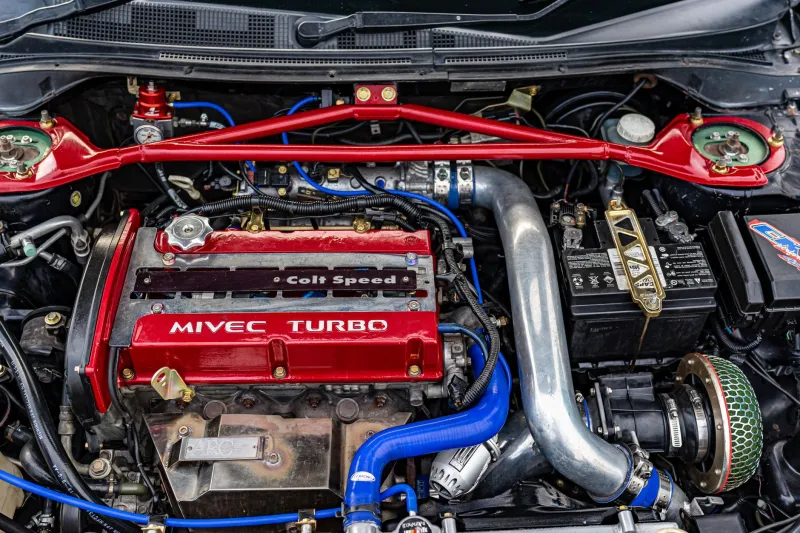
There's nothing quite like the sleeper fantasy. A beat-up Volvo wagon, a grandma-spec Buick, a bone-stock-looking Civic — all of them hiding enough grunt under the hood to make a Corvette driver question his life choices. It's the ultimate gearhead power move. Understated. Lethal. Cool as hell.
But here's the part nobody talks about at the car meet: building a proper sleeper is expensive. Not just expensive — in many cases, it's legitimately more expensive than slapping a wide body kit, a big wing, and a set of flashy coilovers on something and calling it a day. If you've been telling yourself that keeping things subtle is the budget-smart play, it's time to have an honest conversation about what that restraint is actually costing you.
The Invisibility Tax Is Real
When you build a car to look fast, you've got options. Coilovers, aftermarket wheels, a body kit, an intake that sounds like a vacuum cleaner with ambitions — a lot of this stuff is mass-produced, widely available, and competitively priced because the demand is enormous. The aftermarket for visual performance mods is a buyer's market.
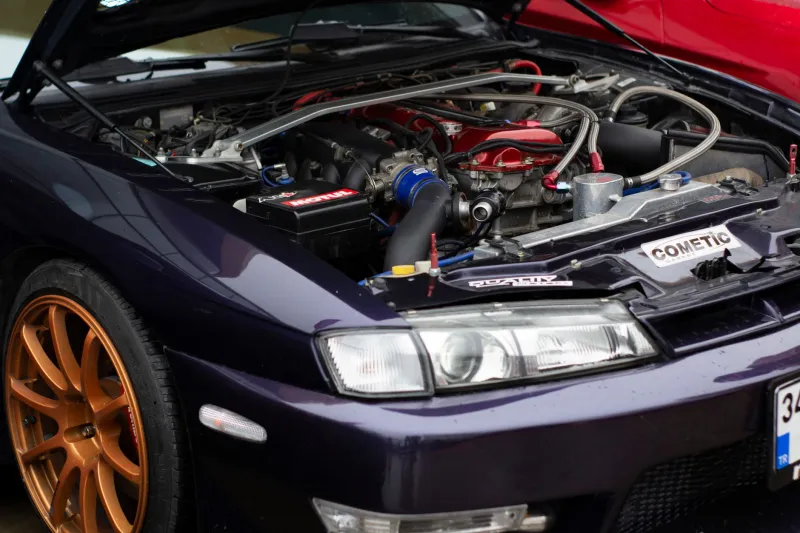
When you build a car to not look modified? You're operating in a completely different economy. Every component that disappears into the factory aesthetic costs a premium. Custom engine mounts that preserve OEM fitment. Internals machined to work within stock dimensions. Tucked wiring harnesses that don't betray themselves under the hood. You're essentially paying a fabricator or a specialty shop to do twice the work so that nobody notices the work was done at all. That's labor-intensive, and labor is where your budget goes to die.
The invisibility tax isn't a myth. It's a line item.
Internal Work Is Where the Real Money Hides
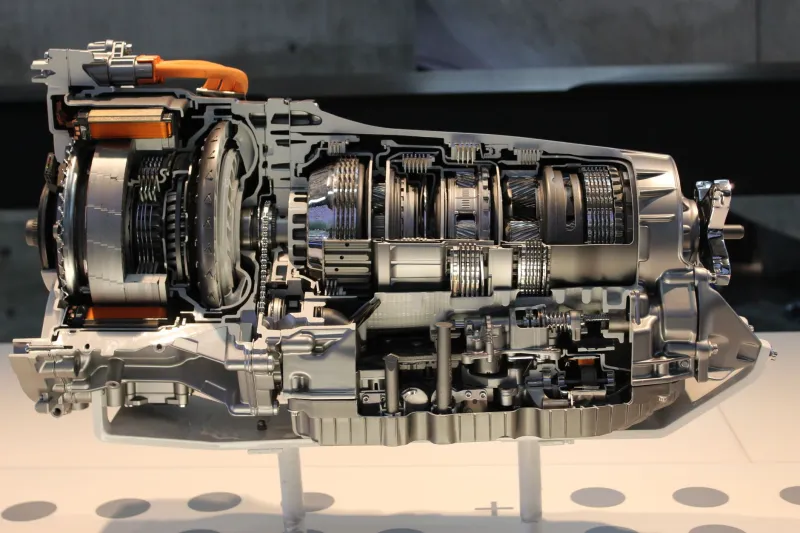
Flashy builds spend big on the outside. Sleepers spend big on the inside — and internal work is categorically more expensive than bolt-on aesthetics. Forged internals, custom camshaft profiles, ported and polished heads, high-compression pistons — none of this is cheap, and none of it shows up in a walk-around video. You're investing thousands of dollars into components that a casual observer will never see, never appreciate, and never factor into what they're willing to pay for your car.
A set of aftermarket wheels and a lip kit on a modified build? People see that immediately. It reads as value, even if the actual performance delta is modest. A built short block that cost you $8,000 in machine shop time? That's invisible equity, and invisible equity is notoriously hard to recoup.
The Resale Problem Nobody Wants to Admit
Let's talk about selling. Because eventually, most of us sell.
When a visually modified car hits the market, buyers can see what they're getting. The aesthetics do the marketing for you. Modified enthusiasts self-select into your listing, arrive already half-sold, and often pay premiums for the visual package even when the mechanical work is relatively modest.
A sleeper is a harder sell. Potential buyers look at a stock-appearing car and either don't understand why it's priced the way it is, or they're skeptical — worried that "built, not bought" is a line being used to justify a lemon. You end up spending time educating every prospective buyer about what's actually under the hood, and even then, you're frequently leaving money on the table because the market doesn't have an easy reference point for what your build is worth.
Unless you're selling to someone who specifically sought out that exact platform with that exact build spec — a narrower pool than you'd like — you're going to struggle to get back what you put in.
Tuning Costs Compound the Problem
Here's a wrinkle that catches a lot of first-time sleeper builders off guard: the more you push internal performance while maintaining stock external systems, the more complicated your tuning becomes. You're often working around factory ECU limitations, navigating emissions compliance (a real concern in states like California), and trying to keep everything behaving normally enough that it doesn't trigger warnings on a daily driver.
Specialty tuners who understand how to thread that needle — making a car fast without broadcasting it to every OBD-II scanner in a 10-mile radius — charge accordingly. This isn't the $500 off-the-shelf tune territory. You're looking at custom dyno sessions, multiple revisions, and a tuner who genuinely understands the platform at a level that goes beyond the basics. That expertise isn't cheap, and it shouldn't be.
So Why Do We Keep Building Them?
None of this means the sleeper build is a bad idea. It means it's a different idea than most people think it is going in.
The sleeper isn't a budget strategy. It's a philosophy. It's for the builder who genuinely doesn't care about external validation — who gets more satisfaction from the look on someone's face at a stoplight than from compliments in a show parking lot. It's for the driver who wants a machine that performs without performance theater.
If that's your thing, own it. But own it with open eyes. Budget for the fabrication premium. Budget for the internal work. Budget for the tuning complexity. And make peace with the fact that when it's time to sell, you may be parting ways with a car that cost you significantly more to build than you'll ever recover.
The Real Cost Comparison
A flashy build at $15,000 in mods gets you visual drama, a healthy chunk of performance, and a car that markets itself on the secondary market. A sleeper build at the same $15,000 gets you something genuinely fast, genuinely invisible, and genuinely difficult to price when you're done with it.
Neither is wrong. But they're not the same financial proposition, and the car community's tendency to treat sleepers as the "smart money" move deserves a serious second look.
Build what fires you up. Just know what you're actually signing up for before the first part gets ordered. The sleeper life is a commitment — to the craft, to the cost, and to the very specific satisfaction of letting the car do the talking when it matters most.
And honestly? That's still pretty damn cool.