Leather, Lights, and Lost Offers: How Your Dream Interior Becomes Every Buyer's Nightmare
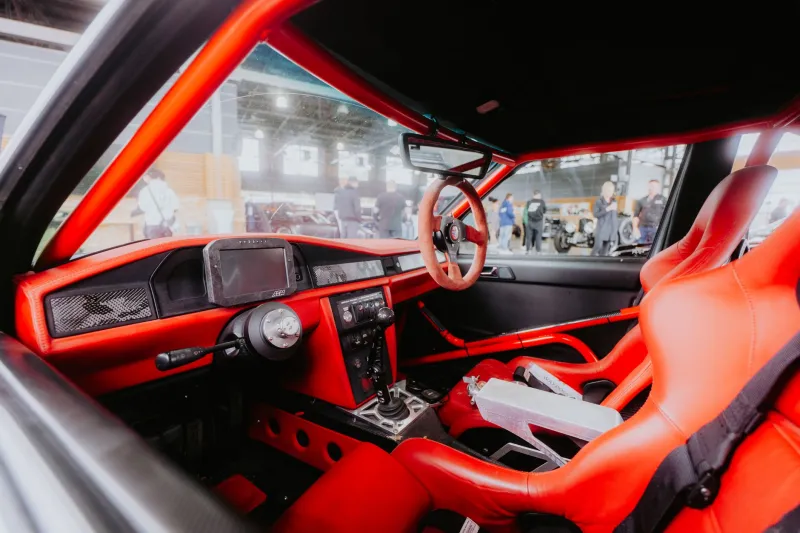
There's a particular kind of pride that comes with finishing a custom interior build. The stitching is perfect, the ambient lighting hits just right, and every time you drop into that Recaro bucket seat, you feel like the car was made specifically for you. That's kind of the problem.
When it's time to sell, that deeply personal cabin you spent serious money building becomes someone else's first renovation project — and buyers price that in hard. While engine mods tend to get the spotlight in resale value conversations, interior customization is quietly one of the fastest ways to tank your asking price and thin out your buyer pool at the same time.
Let's break down exactly why that happens, which interior upgrades are worth doing anyway, and how to mod smart if you ever plan to move the car.
Why Buyers Don't Want to Pay for Your Personality
Here's the fundamental tension with interior mods: they're almost always deeply personal. Engine upgrades — a cold air intake, a tune, even a turbo kit — tend to be evaluated on objective metrics. More power, better response, measurable gains. A buyer can look at a dyno sheet and understand the value.
Custom interiors don't work that way. When you reupholster your seats in oxblood red leather with contrast stitching, you're not adding universally recognized value — you're making a statement about your taste. And statistically, most buyers don't share your exact taste. They walk in, see the bold color choice or the aftermarket steering wheel you love, and immediately start doing the math on what it'll cost to undo it.
That mental math — even when it's inaccurate — kills momentum. Buyers start negotiating down before they've even sat in the seat.
The Modifications That Repel Buyers the Most
Not all interior mods carry the same resale risk. Some are basically invisible; others are deal-breakers. Here's where enthusiasts tend to get burned the most:
Custom Seat Upholstery This is the big one. Replacing factory seats or reupholstering them in non-stock materials and colors is almost always a value negative unless you're doing it on a high-end vehicle where bespoke interiors are expected. On a performance car in the $30K–$60K range, a buyer who wanted oxblood leather would have ordered it from the factory. Now they're looking at a car that feels like someone else's project.
Aftermarket Steering Wheels Removing the factory wheel — especially on modern cars — often means losing airbag integration, paddle shifters, or steering-mounted controls. Buyers notice. Even if your Momo or Sparco wheel looks incredible, most street buyers want the full safety package and the OEM feel. Track-focused buyers might appreciate it, but that's a smaller pool.
DIY Infotainment Swaps Replacing the factory head unit made sense in 2012. In 2024, most performance cars ship with deeply integrated infotainment systems that handle navigation, climate, phone connectivity, and driver assist features all in one stack. Swapping that out for an aftermarket unit — even a quality one — often breaks integrations buyers expect to work seamlessly. It reads as a downgrade, not an upgrade.
Ambient Lighting Kits and LED Strips When done professionally, upgraded ambient lighting can look genuinely premium. When done with an off-Amazon kit zip-tied behind the dash, it looks like a college dorm. Buyers can almost always tell the difference, and even clean installs can feel overdone to someone who prefers a stock interior.
Heavy Tinting and Blackout Treatments Dark tint on rear windows might be your preference, but it's a legal gray area in many states and an immediate concern for buyers who don't want to deal with removal or potential inspection issues. Same goes for heavily tinted interior plastics or blacked-out trim pieces that are difficult to reverse.
The Mods That Actually Hold — or Even Add — Value
Not every interior upgrade is a resale curse. Some modifications align closely enough with what buyers want that they either hold their value or actively improve the car's appeal.
Quality Floor Mats and Cargo Liners Boring? Yes. Effective? Absolutely. A set of well-fitted WeatherTech or Husky Liner mats protects the factory carpet and signals to buyers that the car was cared for. It's a low-cost mod that adds perceived value without alienating anyone.
Professional-Grade Sound Deadening If it's done right and documented, acoustic improvements can be a genuine selling point — especially on sports cars that tend to run loud. Buyers who want a more refined daily experience will notice and appreciate it. The key word is professional. Sloppy installs raise more questions than they answer.
Factory-Style Seat Heater and Ventilation Retrofits On vehicles that offered heated or ventilated seats as an option, retrofitting those features using OEM-spec components can add real value. It feels factory, it functions reliably, and it's something buyers actively want.
OEM+ Upgrades This is the sweet spot for resale-conscious interior work — upgrades that look and feel like they could have come from the factory. Think replacing base-trim cloth seats with factory leather from a higher trim level, or adding genuine carbon fiber trim pieces that match OEM finish quality. These feel like the car was specced better from the start, which is exactly the story you want to tell when selling.
How to Mod Smart If You're Not Keeping It Forever
The smartest move is one most enthusiasts already know but rarely follow: keep the stock parts. If you're pulling out factory seats, wrap them in moving blankets and stack them in the garage. Same with the steering wheel, the head unit, anything you're replacing. When it's time to sell, reinstall the originals and sell your custom pieces separately to someone who actually wants them.
Yes, it's extra work. But the difference between a buyer who sees a clean, stock interior and one who sees your custom buildout can easily be $2,000 to $5,000 in negotiating room — sometimes more on premium vehicles.
Also worth considering: document everything. If you've done quality work with quality materials, photos and receipts go a long way toward justifying the value to the right buyer. You might not recoup the full cost, but you'll lose less ground than someone who can't prove the work was done professionally.
The Takeaway
Building a custom interior is a genuinely satisfying part of the enthusiast experience — nobody's telling you not to do it. But going in with eyes open about the resale math matters. Mechanical mods at least speak a common language. Interior mods speak your language, and the next buyer might not be fluent.
Mod for the drive you want. Just don't be surprised when the market charges you for the privilege of your taste.