Bolted On, Written Off: The Hard Truth About Selling a Modified Car
Let's talk about something nobody in the performance community really wants to sit with: the moment you decide to sell.
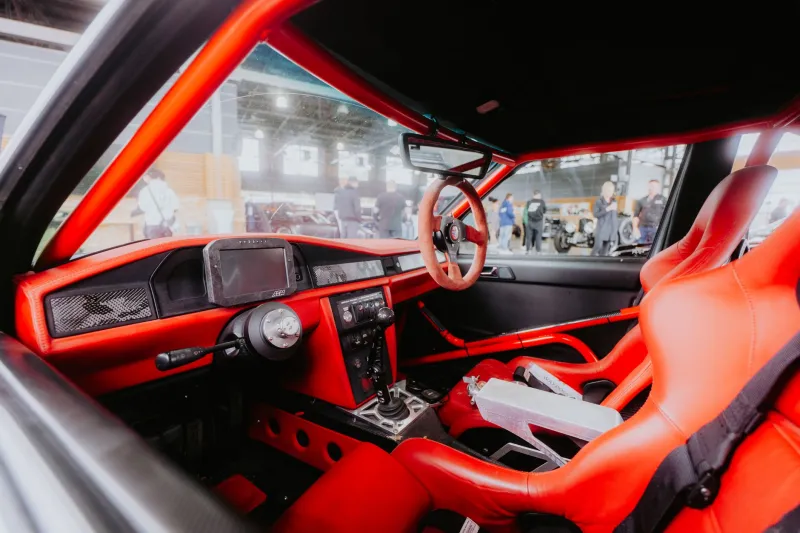
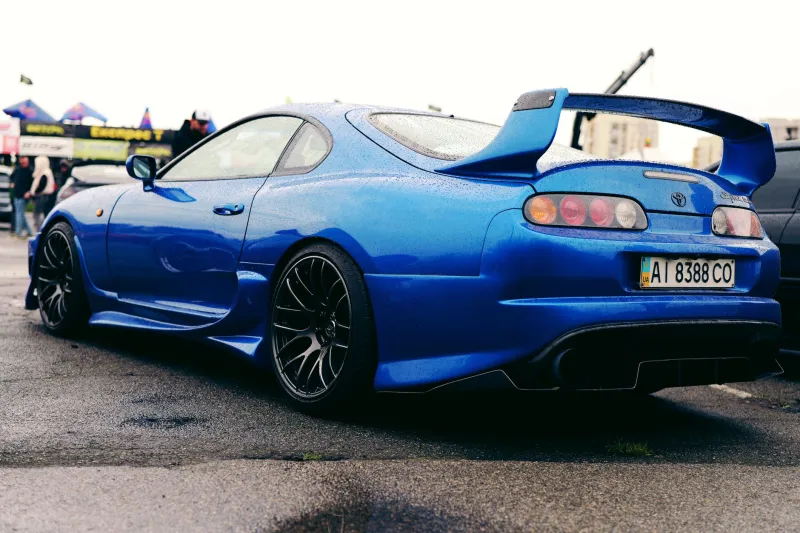
You've spent years and a genuinely embarrassing amount of money transforming a factory machine into something that turns heads, pulls hard, and makes every highway on-ramp feel like a launch pad. The coilovers alone were a grand. The exhaust system ran you two. The tune, the intake, the upgraded intercooler, the custom wheels — by the time you add it all up, you're staring at $15,000 or more in modifications sitting on top of your car's base value.
Then you get your trade-in offer. And the number is basically stock.
Welcome to one of the most frustrating realities in car culture. The modification gap — the yawning chasm between what you spent and what you'll get back — is real, it's painful, and it catches even experienced enthusiasts off guard.
Why Dealerships Don't Care About Your Build
Here's the cold logic dealerships operate on: they're in the business of moving metal fast, and a heavily modified car is a liability, not an asset.
When a dealer takes in a trade, they're thinking about their average buyer — someone who wants a reliable, financeable vehicle with a clean history and no question marks under the hood. Your catback exhaust and lowering springs introduce question marks. Even if your mods are tasteful and professionally installed, the dealer has no way to quickly verify that, and they're not going to pay you for the benefit of the doubt.
Most dealerships will either price your car as a stock example of that model — ignoring your upgrades entirely — or they'll actually discount it below stock value because the modifications narrow the pool of potential buyers. Think about that for a second. Your $2,500 exhaust system might literally subtract value from the car's trade-in offer rather than add it.
Private buyers are a mixed bag too. Some enthusiasts will absolutely recognize and pay for quality work. But plenty of private buyers are just as skeptical as dealers, and they have the internet to check stock pricing. Unless you're selling specifically within the enthusiast community — forums, Facebook groups, marque-specific clubs — you're often negotiating against people who see your mods as risk, not reward.
The Mods That Hold Value (and the Ones That Don't)
Not all modifications are created equal in the resale market. Some upgrades genuinely carry weight with the right buyer. Others are essentially donations to whoever buys the car next.
Reversible and brand-name upgrades tend to fare best. Wheels from a recognized manufacturer like HRE, Vossen, or BBS can be sold separately if the next buyer isn't interested. High-end suspension components from Öhlins or KW retain aftermarket value. Supercharger kits from established manufacturers like Roush or Magnuson — especially when installed on popular platforms — can attract enthusiast buyers willing to pay a premium because the work is already done.
Cosmetic and comfort upgrades are almost always a wash. Custom interiors, aftermarket audio systems, and aesthetic body kits almost never return their installation cost. Tastes are subjective, and what looks perfect to you might look like a dealbreaker to someone else. The guy who wants a clean, stock-looking car isn't paying extra for your carbon fiber dash trim.
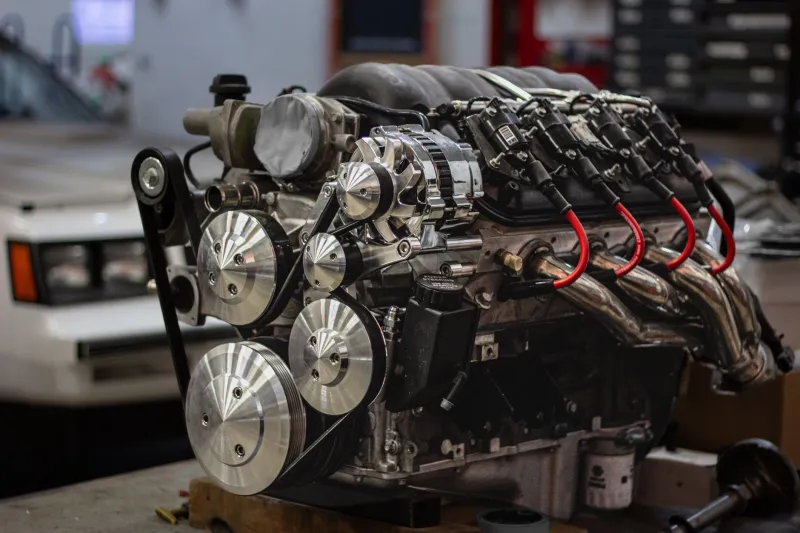
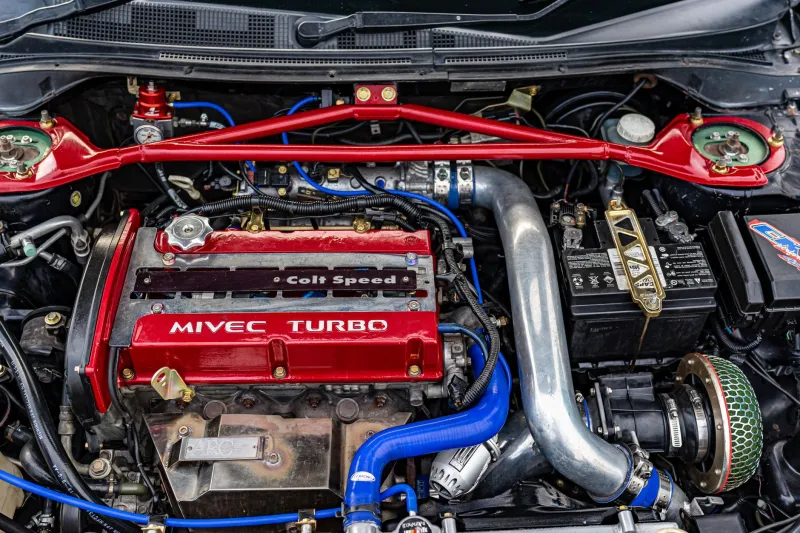
Power modifications are complicated. A tasteful, reliable tune on a popular platform with documented dyno numbers can appeal to the right buyer. But aggressive engine builds, forged internals, and big power numbers scare off anyone who isn't already deep in the hobby. The more you've pushed the envelope, the smaller your buyer pool gets.
Anything that voids the factory warranty is a hard sell to the mainstream market. Period.
Building Smarter: The Resale-Aware Approach
If you care at all about what your car is worth when you eventually move on — and you should, because the money you lose is money you can't put into your next build — there are ways to approach modifications that don't leave you completely upside down.
Keep the stock parts. This sounds obvious, but a surprising number of people throw away or sell their factory components when they upgrade. If you replace your factory exhaust, box up the stock system and store it. Same goes for wheels, suspension components, and intake systems. When it's time to sell, you can either swap the car back to stock to appeal to a broader audience or offer the mods as a separate package deal to an enthusiast buyer.
Document everything obsessively. Receipts, install dates, dyno sheets, photos of the work in progress — all of it. A paper trail transforms your car from a mystery box into a known quantity. Buyers pay more for confidence, and documentation provides it. This is especially critical for engine work and tuning.
Know your platform's community. Some cars have massive, passionate enthusiast followings where modified examples actually command premiums in the right circles. A well-built Subaru WRX, a tastefully modified Mustang GT500, or a clean BMW M3 with quality upgrades will find buyers faster and at better prices within those communities than it ever will at a CarMax lot. Sell where your buyer lives.
Be realistic about what you're buying a car for. If your plan is to build something wild, drive it for a few years, and flip it at a profit, the math rarely works out. But if you're building for the experience — for the weekend pulls, the track days, the satisfaction of driving something that performs exactly the way you want it to — then the depreciation is the cost of admission, not a financial failure. Adjust your expectations accordingly.
The Bigger Picture
The modification gap isn't going anywhere. As long as dealerships and mainstream buyers default to stock comparisons, enthusiasts are going to feel the sting of selling a built car. That's just the nature of a niche market.
But the enthusiasts who get burned the hardest are the ones who went into their builds thinking they were making an investment. Modifications are almost never investments in the financial sense. They're investments in the driving experience, in the satisfaction of building something, in the culture. The return on that investment is measured in smiles per mile, not dollars per horsepower.
Build smart. Keep your receipts. Know your audience when it's time to sell. And for the love of everything performance-related, hang onto those stock parts.
Your future self — the one staring at a trade-in offer — will thank you.