The Tune Hangover: Why Your Performance Build Feels Slower Than It Did Last Year
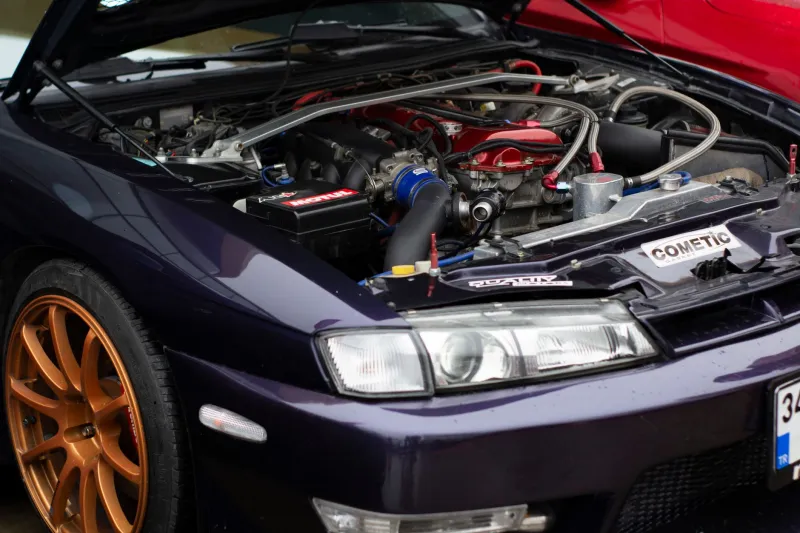
Ask anyone who's run a serious tune on their performance car about the first month. They'll light up. The throttle response, the mid-range pull, the way the car seems to wake up and actually communicate with the driver—it's genuinely intoxicating. It's the whole reason we do this.
Ask them about month nine. The answers get more complicated.
"It just doesn't feel the same," is the phrase that shows up constantly on tuning forums. "Like something got dialed back." It's one of the most common complaints in the enthusiast community, and the causes are more layered than most people realize.
First, Let's Separate Perception From Reality
The honest starting point is this: a lot of what enthusiasts experience as power loss is neurological, not mechanical. Human beings are extraordinary at adaptation. The same sensory input that felt extreme at first exposure becomes baseline after repeated exposure—it's the same phenomenon that makes your third cup of coffee feel less impactful than your first.
When your tune was fresh, everything about the power delivery was novel. The sharper throttle response, the earlier boost onset, the stronger pull through the midrange—your nervous system was processing it as genuinely exciting because it was unfamiliar. Nine months later, your brain has recalibrated. That same pull is now your new normal.
Professional tuners hear this constantly. One Nashville-based shop owner who's been tuning domestics and imports for over a decade put it bluntly: "At least half the people who come to me saying their tune has faded just need to look at their dyno sheet from day one and compare it to a fresh pull. Nine times out of ten, the numbers are identical. The driver adapted."
But that's not the whole story.
When the Power Loss Is Real
The other half of the time, something has genuinely changed. And the causes fall into a few distinct categories.
Intake and Filter Degradation
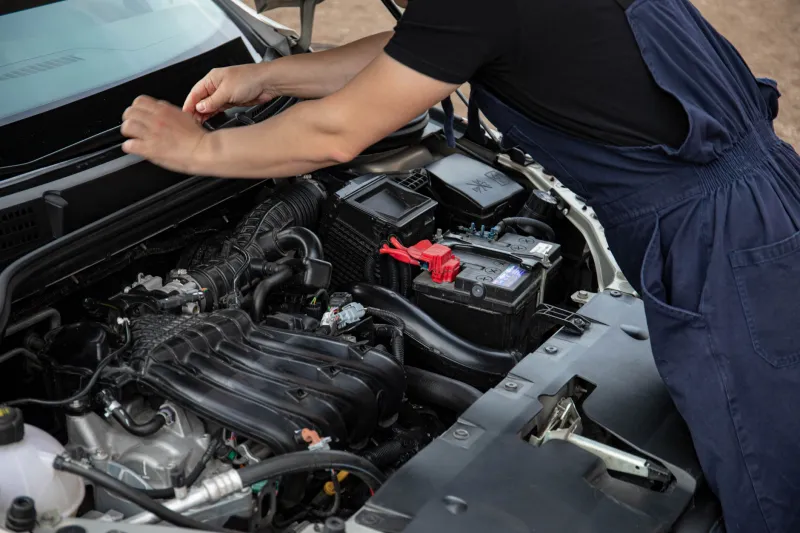
A dirty air filter is one of the most overlooked performance killers in modified cars. On a stock vehicle with conservative fueling, a slightly restricted intake barely moves the needle. On a tuned car where the ECU is calibrated around a specific airflow volume, a partially clogged filter can pull enough air that the tune's fuel and ignition tables become slightly mismatched. You won't see it on a casual scan, but you'll feel it in the top end of the rev range.
This is especially relevant for cars running open-element intake setups in dusty regions—Arizona, Nevada, West Texas. Inspection intervals that work for a factory airbox might not be adequate for a performance intake in those environments.
Spark Plug Wear
This one is the quiet killer. Tuned engines running elevated boost and more aggressive timing advance wear spark plugs faster than factory calibrations do. The factory recommended replacement interval—often 60,000 to 100,000 miles for iridium plugs—was established for stock power levels. A tuned car making 150 more horsepower than stock is running higher combustion temperatures and pressures. Plug wear at 20,000 to 30,000 miles is entirely realistic on a heavily modified engine.
Worn plugs create inconsistent combustion events. The ECU's knock detection system picks up the resulting irregularities and pulls timing as a safety measure. The car doesn't throw a code. It just feels a little flatter, a little less eager. You chalk it up to vague malaise. The fix costs forty dollars in parts.
Several tuning shops we spoke with have made fresh plugs a mandatory first step before any re-tune conversation. "If someone calls and says their tune feels dead, I tell them to change their plugs and call me back," said one Georgia-based Mustang specialist. "About a third of those calls never come back because the problem is solved."
Intercooler Efficiency and Heat Soak
For turbocharged and supercharged applications, intercooler efficiency degrades over time in ways that aren't always obvious. A front-mount intercooler that's accumulated road debris, bug residue, and bent fins is flowing less air and cooling it less effectively. On a hot day at a track event or during spirited back-road driving, charge air temperatures climb, density drops, and the tune—which was calibrated for denser, cooler air—starts leaving power on the table.
This is a particular issue for cars that live in hotter climates and do summer driving. A fresh intercooler cleaning can produce results that feel remarkably like a re-tune.
Long-Term Fuel System Drift
Fuel injectors accumulate deposits over time, especially on cars running E85 blends, which can leave residue in injector tips. Fuel pressure regulators can drift slightly from their calibrated values. None of these changes are dramatic enough to trigger fault codes, but together they can shift the actual fuel delivery enough that the tune's air-fuel targets are no longer being hit precisely.
Professional tuners who work with data loggers can see this clearly. Comparing injector duty cycles and lambda readings from a fresh tune to logs taken after significant mileage tells the story quickly. Injector cleaning services and fresh fuel system components often restore the original tune's performance without touching the ECU calibration at all.
When You Actually Should Re-Tune
None of this means re-tuning is never the answer. There are legitimate reasons to revisit the calibration.
If you've added or changed hardware—a new exhaust, different injectors, an upgraded turbo—the existing tune is calibrated for parts that are no longer on the car. Running it is at best leaving power on the table and at worst creating conditions the original calibration wasn't built to handle.
If you've moved to a different fuel blend—particularly a switch to higher or lower ethanol content—the tune needs to follow.
And if a thorough inspection of plugs, filters, intercooler, and fuel system all come back clean and the car still feels genuinely different from its early performance on back-to-back identical conditions, a fresh dyno session with data logging will tell you definitively whether the calibration has drifted.
The Refresh Cycle Nobody Talks About
The enthusiast community's most experienced members treat tuned cars like athletes: they have maintenance cycles that go beyond what the owner's manual suggests. Fresh plugs every 20,000 miles on boosted applications. Intake cleaning twice a year. Intercooler inspection before summer. Fuel injector service at 40,000 miles.
It's not glamorous content. Nobody's posting about their fresh spark plugs. But the cars that feel just as sharp at 50,000 miles as they did at 5,000? Those are the ones whose owners are doing this work quietly, consistently, and without drama.
The tune isn't fading. The car just needs to be fed properly.