Mod Regret: The Aftermarket Choices That Wreck Your Resale (And the Ones That Don't)
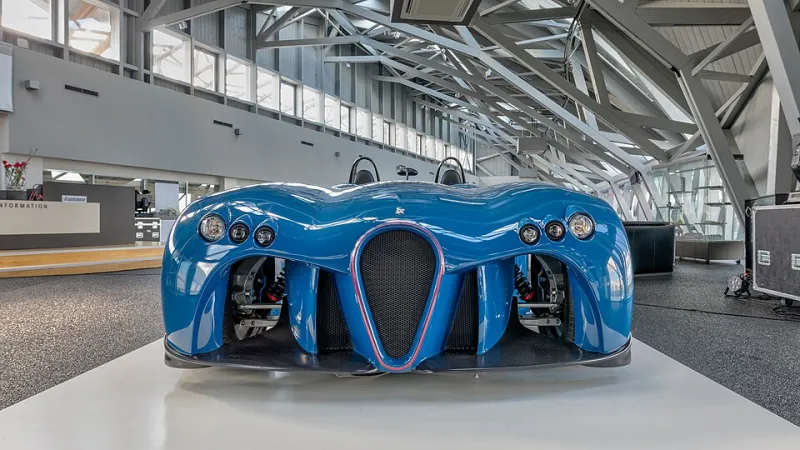
Photo: Dietmar Rabich, CC BY-SA 4.0, via Wikimedia Commons
There's a specific kind of heartbreak that hits when you list your modded performance car and the offers come in 20 percent below what you expected. You put real money into that build. You did the research, bought quality parts, and transformed a good car into a great one—at least by your standards. The market, unfortunately, has its own standards.
This is the conversation nobody has when you're deep in the modification rabbit hole. Let's have it now.
Why Mods and Resale Value Are Usually at War
The used performance car market is fundamentally risk-averse. When a buyer looks at a heavily modified vehicle, they're not seeing your vision—they're calculating their exposure. Unknown maintenance history. Potential warranty voids. Insurance complications. Parts that may be difficult to reverse. And the uncomfortable reality that your taste, however excellent, might not be theirs.
We spoke with several independent dealers and Carmax appraisers across the Southeast and Midwest, and the consensus was consistent: modifications almost always complicate a sale, and only a narrow category of them adds genuine value.
"The moment I see a widebody kit, I'm already thinking about how long it's going to sit on the lot," said one dealer in Nashville who moves a significant volume of performance vehicles annually. "It's not that they're bad cars. It's that I'm now selling to a much smaller pool of buyers."
The Widebody Problem
Let's address the elephant in the room—or rather, the fenders hanging off the car. Widebody conversions are among the most polarizing modifications in the enthusiast world. They look incredible on the right build, photograph beautifully, and represent serious fabrication investment. The resale market doesn't care.
Auction data from platforms like Bring a Trailer and Cars & Bids consistently shows that widebody-equipped street cars sell at or below stock equivalents, and frequently below. The exceptions are pristine, documented builds with professional installation and clear provenance—and even those require the right buyer at the right time.
The problem isn't aesthetics. It's that widebody kits raise immediate questions: Was this car tracked hard? Were there any incidents that prompted the body work? Is the underlying structure sound? Buyers who can't answer those questions tend to walk.
Paint and Wraps: A Complicated Story
Custom paint jobs are another category that looks great in your driveway and dies at the dealer. Unless you're selling a concours-quality respray in a factory color, custom paint narrows your buyer pool dramatically. Wraps are slightly more forgiving because they're reversible, but a peeling or faded wrap suggests deferred maintenance and tanks perceived value fast.
The exception: factory-correct resprays on cars where original paint is typically worn or damaged. A clean, color-matched respray on a high-mileage sports car can actually help the sale by removing a common objection.
Suspension and Wheel Mods: The Hidden Value Killers
Lowering springs, coilovers, and aggressive wheel fitments are almost universal in the performance community. They're also among the most reliably value-negative modifications when it comes to private party and dealer sales.
Buyers worry about scrapes, curb rash, suspension wear, and alignment issues. A car sitting noticeably lower than stock triggers questions, even if the setup is perfectly dialed. And oversized aftermarket wheels—especially if they're not a recognizable premium brand—often get treated as a liability rather than an asset.
Interestingly, OEM-plus wheel upgrades from respected brands like HRE, Vossen, or BBS in tasteful sizes tend to be neutral to slightly positive. Buyers recognize quality and appreciate that the car looks better without feeling like it was used as a race car.
The Mods That Actually Help (Or At Least Don't Hurt)
Here's where the news gets better. Certain modifications are either invisible to buyers or genuinely valued.
Performance brake upgrades from reputable brands—Brembo, StopTech, Wilwood—are often viewed positively. Buyers understand that better brakes mean the previous owner cared about safety and performance. Big brake kits with proper documentation can be a legitimate selling point.
Cold air intakes and cat-back exhaust systems from well-known brands are generally neutral to slightly positive, especially if the stock parts are included. A buyer who doesn't want the modification can revert it. A buyer who likes it gets something for nothing.
Professional tunes with documented dyno sheets are increasingly valued in the enthusiast market, particularly on platforms where tuning is well-understood and common. A professional tune from a reputable shop, documented and reversible, signals that the owner knew what they were doing.
Upgraded audio and interior tech tends to be ignored at best, but clean, professional installations rarely hurt a sale the way exterior modifications do.
The One Rule That Overrides Everything
Buyer surveys consistently point to one factor that matters more than any specific modification: documentation. A car with a complete, organized record of every modification—receipts, installation photos, dyno results, alignment specs—sells faster and for more money than an identical car with no paper trail.
If you're building a car you intend to sell eventually, document everything from day one. It won't transform a controversial build into an easy sale, but it removes the uncertainty that kills deals.
And if you're about to pull the trigger on that widebody kit? Go in with eyes open. Build it because you love it. Just don't expect the market to love it back the same way.