Mod Money: The Aftermarket Upgrades That Pay Off at Resale (and the Ones That Kill Your Deal)
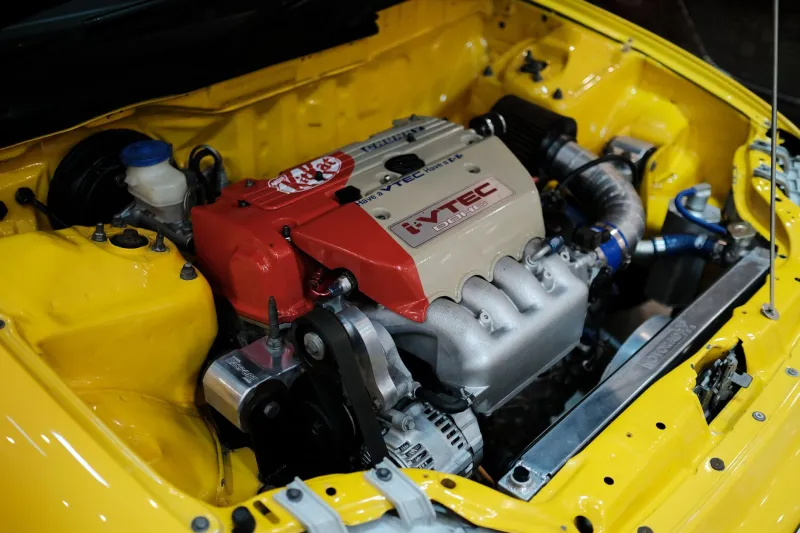
Spend enough time around the performance car community and you'll hear two very different stories about modifications and resale value. One camp swears that the right mods add serious money to a car's worth. The other camp — usually the dealers — will tell you that the vast majority of aftermarket work is a liability the moment a stranger has to buy it.
The truth, as usual, lives somewhere in the middle. And if you're modding a performance car with any intention of selling it down the road, knowing where that line sits could save — or cost — you thousands.
We talked to used performance car dealers, a handful of private collectors, and dug into market data from platforms like Bring a Trailer, Cars & Bids, and Autotrader to build a clearer picture of which modifications the used car market actually rewards.
Why Most Mods Don't Add Dollar-for-Dollar Value
Before we get into specifics, it's worth understanding the fundamental economics at play. When you modify a car, you're customizing it to your preferences. The problem is that the next buyer has their own preferences — and there's no guarantee those align with yours.
Dealers and private sellers consistently report that modified performance cars sit on the market longer than stock examples. That's not always because the mods are bad. It's because modifications narrow your buyer pool. A bone-stock Mustang GT appeals to almost anyone shopping for a Mustang GT. A Mustang GT with a custom widebody kit, a purple wrap, and a six-point harness appeals to a very specific type of buyer — and that buyer knows it, which means they'll negotiate accordingly.
"The more personalized the build, the harder the sell," said one Dallas-area performance car dealer who moves 40 to 60 enthusiast vehicles per month. "Stock cars sell in days. Heavy builds can sit for weeks or months, even if the work is quality."
The Mods That Actually Move the Needle
Suspension and Handling Upgrades
Coilovers, sway bars, upgraded bushings, and alignment work are among the few modifications that genuinely resonate with performance-minded buyers. These mods signal that the previous owner cared about how the car drives rather than just how it looks. Quality brands — KW, Bilstein, BC Racing, Eibach — carry recognition weight in enthusiast communities.
The key here is keeping the original suspension components. Buyers who want a stock setup will pay more if they know they can revert. Sellers who toss the OEM parts lose that negotiating chip entirely.
Quality Brake Upgrades
Big brake kits from reputable manufacturers like Brembo, StopTech, or Wilwood are one of the few bolt-on modifications that can actually add perceived value, particularly on track-capable platforms. Performance buyers understand what upgraded braking hardware costs, and they're often willing to pay a premium for it — especially if the car has track history and the brakes are matched to that use case.
Factory-Adjacent Tune Packages
This one's nuanced. A professionally executed tune from a reputable shop — particularly one that's been dyno-verified and documented — can add appeal to the right buyer. What kills the deal is an undocumented ECU flash with no paper trail. Buyers have no way to assess risk, so they assume the worst.
Wheels — The Right Ones
A quality set of forged aftermarket wheels in a sensible size and finish can absolutely help a sale, particularly if the stock wheels are included. Lightweight forged units from Volk, HRE, or BBS are recognized commodities in the performance market. They signal taste and investment. Cheap replica wheels in an aggressive offset? The opposite effect entirely.
The Mods That Tank Your Resale
Engine Internals and Forced Induction Swaps
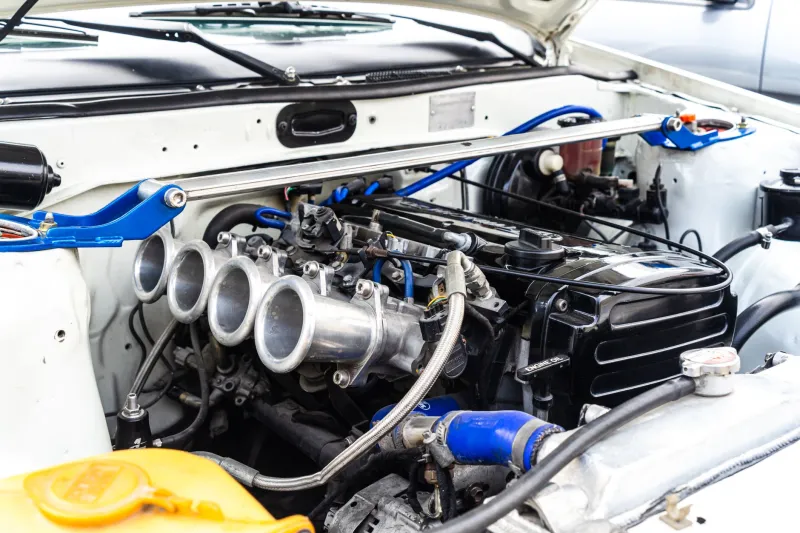
This is where the used car market gets genuinely nervous. A turbocharged or supercharged engine that wasn't factory-optioned raises immediate questions about reliability, maintenance history, and what else might have been stressed in the process. Even a professionally built engine can scare off buyers who simply don't want to inherit someone else's project.
"The moment I see a customer-installed turbo kit on a naturally aspirated car, my offer goes down significantly," said one Southeastern regional auction buyer who specializes in performance vehicles. "I have no idea how that engine was broken in, what tune is on it, or how it was driven."
Aggressive Body Kits and Wide Body Conversions
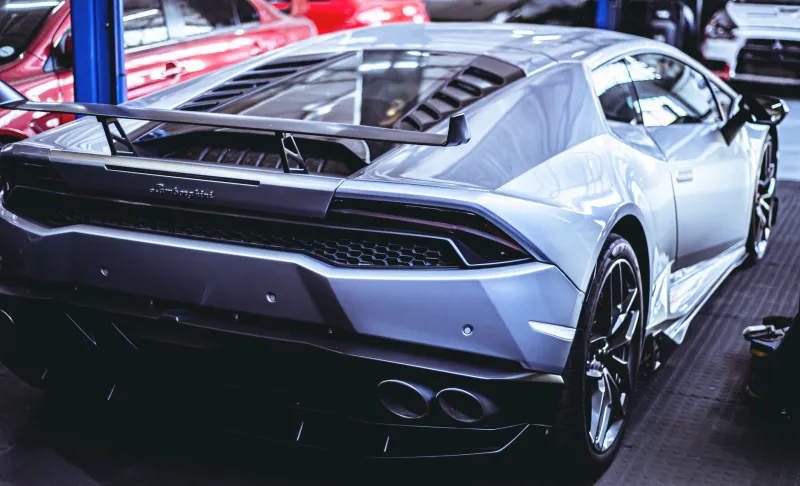
Visual modifications are the most polarizing category in the used market. Wide body kits, custom bumpers, and aftermarket hoods can look stunning — or they can look like a liability. Unless the car is a known, documented build with a following (think SEMA-featured builds or well-documented project cars), aggressive body work tends to narrow the buyer pool dramatically and raise concerns about potential panel damage underneath.
Interior Overhauls
Custom upholstery, aftermarket gauges, and roll cage installations are among the hardest modifications to recoup. Buyers don't know the quality of the work, they can't easily verify it, and if they don't love the aesthetic choices, there's no reverting without significant expense. Roll cages, specifically, can void certain safety ratings and make the car more difficult to insure — two things that stop deals cold.
Exhaust Systems Without Stock Units
An aftermarket exhaust is one of the most common performance mods on the planet, and it's also one of the most frequently mishandled at resale. In states with strict emissions regulations — California, New York, and others — non-compliant exhaust systems can create real legal complications for buyers. If the stock exhaust is gone and the replacement isn't CARB-compliant, you've just eliminated a significant portion of your potential buyer pool.
A Framework for Modding Smart
If you're building a performance car with one eye on eventual resale, a few principles will serve you well.
Keep everything stock. Every OEM part you remove should be stored, labeled, and ready to reinstall. This single habit preserves more resale value than almost any other practice.
Document everything. Receipts, dyno sheets, shop invoices, photos — build a binder or a digital folder that tells the story of every modification. Buyers pay for confidence, and documentation creates it.
Stick to reversible upgrades. The modifications that hurt resale the most are the ones that can't be undone without significant cost. Prioritize bolt-on work over anything that alters the structure or drivetrain permanently.
Know your platform's community. Certain builds are celebrated in specific communities and carry premium prices on niche platforms like Bring a Trailer. A tastefully modified Porsche 911 or a period-correct Fox Body Mustang can command genuine premiums from the right buyers. Know who buys your car before you build it.
Modifying a performance car is one of the great joys of enthusiast ownership. Just go in knowing that the market will have opinions about your choices — and some of those opinions come with a lower offer.