Badge and Brawn: How Factory Performance Divisions Are Earning Serious Street Cred in 2024
For decades, the word "dealership" wasn't exactly a crowd-pleaser at car shows. You'd mention buying a performance car from a dealer lot and the old guard would smirk. Real enthusiasts built their cars. They sourced their own parts, found their own tuners, and wore the grease under their fingernails like a badge of honor. The factory was where you started. It wasn't where you finished.
That attitude is getting harder to maintain in 2024. Because the factory, it turns out, has been doing its homework.
The OEM Performance Arms Race
Manufacturer-backed performance divisions aren't new — Mercedes-AMG has been around since 1967, BMW M since 1972, and Shelby's relationship with Ford stretches back to Carroll Shelby himself locking eyes with a Cobra chassis in the early 1960s. But what's changed dramatically in the last five years is the depth and accessibility of what these programs offer, and how seriously they're being taken by the people who actually know cars.
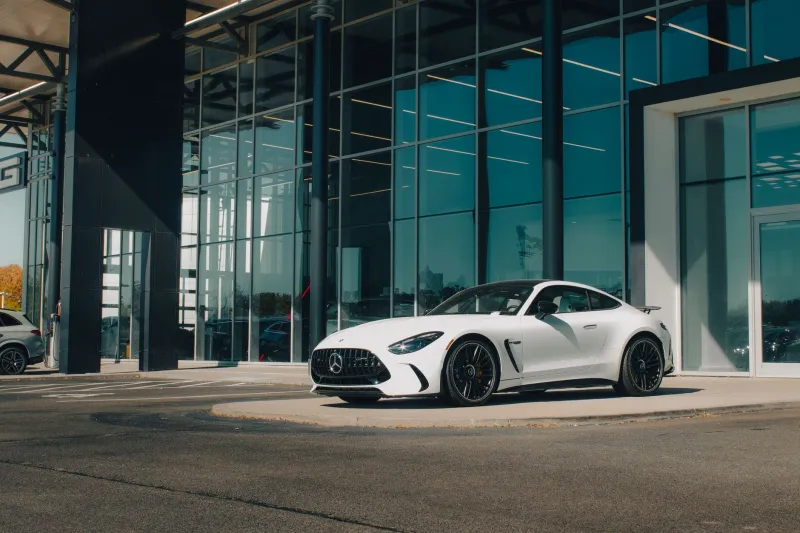
AMG's current lineup is a perfect case study. The Mercedes-AMG GT 63 S E Performance — a plug-in hybrid with a combined output of 831 horsepower — is hand-assembled in Affalterbach, Germany, with each engine signed by the technician who built it. That's not marketing language. That's a philosophy. And it's one that would feel right at home in any boutique engine shop in the country, except it comes with a factory warranty and a dealer network that spans every major US metro.
Ford Performance has been playing a similar game stateside. The Shelby GT500 — with its 760-horsepower supercharged 5.2-liter V8 — isn't just a Mustang with a sticker package. It's a purpose-built performance vehicle developed with Shelby American involvement, available at Ford dealerships, and covered by Ford's standard warranty. That combination would have seemed impossible to the tuner crowd fifteen years ago.
What the Warranty Actually Means
Here's where factory performance programs make their strongest argument to the skeptical enthusiast: accountability.
When you build a car with an independent tuner — even a great one — you're operating on trust and reputation. If something goes sideways six months after a big-power build, you're navigating a conversation, not a legal framework. That's not a knock on independent builders; the best ones stand behind their work completely. But the structure is different.
Factory performance vehicles come with the full weight of manufacturer support. Buy a BMW M4 Competition and you've got BMW's four-year/50,000-mile warranty working in your favor. Opt into BMW's extended service packages and that coverage stretches further. The car has been crash-tested, emissions-certified, and validated through thousands of engineering hours before it ever hits the showroom floor.
For buyers who want serious performance without the complexity of managing an aftermarket build, that peace of mind is genuinely valuable. And the performance numbers aren't a consolation prize anymore. The Cadillac CT5-V Blackwing produces 668 horsepower from a hand-assembled supercharged V8. The Dodge Durango SRT Hellcat — a three-row SUV — makes 710 horsepower. These are not cars that require an apology at a stoplight.
The Dealer Experience Is Actually Getting Better
Let's be honest: the dealership experience has historically been a weak link in the performance car chain. Sales staff who couldn't tell you the difference between a track pack and a tow package didn't exactly inspire confidence in enthusiast buyers.
That's shifting. Manufacturers running serious performance programs are increasingly investing in dealer-level training to match. Ram's TRX network, for example, requires participating dealers to go through specific product training. Dodge's Hellcat-certified dealers are expected to know the cars. Porsche's dealer certification program is notoriously rigorous — if you're shopping at a Porsche Centre, the staff has been through significant brand education.
And then there's the Shelby model, which is worth a closer look. Shelby American operates through an authorized dealer network, meaning you can walk into a participating Ford store and order a Shelby-modified vehicle with full documentation, a Shelby serial number, and warranty backing. That's a far cry from hunting down a private builder and hoping the paperwork holds up at resale.
"The credibility question used to be the first thing skeptics threw at factory performance," says one enthusiast forum moderator who's been active in the Mustang community for over a decade. "Now you've got Shelby numbers, AMG signatures on engines, M Division development cars that lap the Nürburgring faster than most track-prepared builds. The conversation has changed."
Where Independent Builders Still Win
To be fair to the aftermarket, there are things factory programs simply can't or won't do. If you want 1,000-wheel horsepower from your Supra, Toyota isn't going to help you get there. If you're chasing a specific suspension setup for a particular track, the factory tune is a starting point, not a destination. And for heavily modified builds — tube chassis, engine swaps, full cage work — independent fabricators remain irreplaceable.
The independent tuner community also moves faster. When a new platform drops, the aftermarket is usually reverse-engineering it within months. Factory divisions operate on product cycles measured in years.
But for the buyer who wants a car that's genuinely fast, genuinely sorted, and genuinely supported from day one? The factory argument has never been stronger.
What This Means for Your Next Purchase
If you're in the market for a performance vehicle in 2024, the factory-versus-aftermarket calculus deserves a fresh look. Programs like AMG, M Division, Ford Performance, Cadillac V-Series, and Shelby aren't compromises. They're legitimate performance propositions with the backing, the data, and increasingly the lap times to prove it.
The days of dismissing a fast car because it came from a dealership are fading. And honestly, for a community that's always been about the cars themselves — not the snobbery surrounding them — that's a pretty good development.
The factory has found its fury. And it's not going back in the box.