Big Bang for Your Buck: The Sleeper Mods That Quietly Destroy the Competition
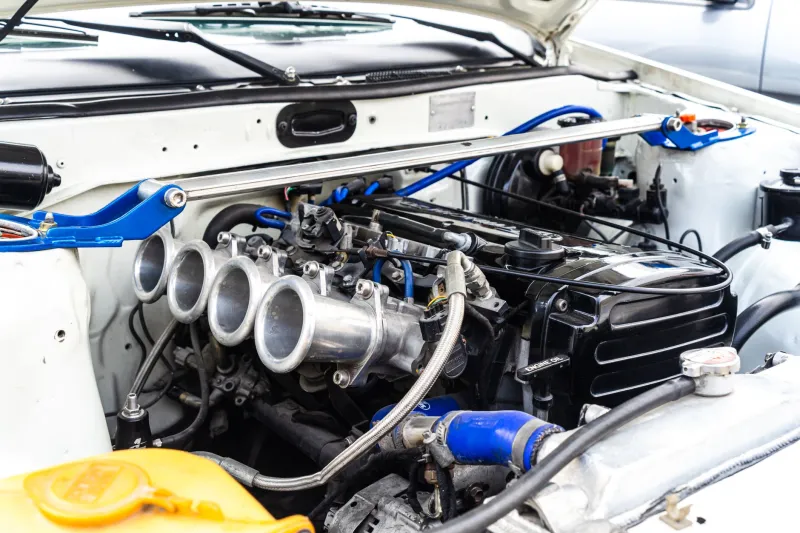
There's a persistent myth in the performance world that real gains cost real money. Cam upgrades, forged internals, full turbo kits — sure, those are transformative. But they're also the kind of projects that require a second mortgage and a weekend you'll never get back. What if we told you some of the most satisfying performance improvements you can make sit comfortably under five hundred dollars? Not theoretical gains. Not dyno-sheet magic tricks. Actual, seat-of-your-pants differences you'll feel the first time you pull onto the on-ramp.
We've been digging into owner forums, talking to independent tuners from Nashville to Phoenix, and cross-referencing real-world dyno pulls to put together this list. These aren't flashy. They're not the mods you post on Instagram. But they work — and that's the whole point.
Cold Air Intake: The Oldie That Still Delivers
Yeah, we know. You've heard this one before. But hear us out, because a lot of people are still sleeping on just how effective a quality cold air intake can be when it's properly matched to your specific platform.
On naturally aspirated engines, a well-designed CAI — one that actually routes intake air away from the hot engine bay rather than just replacing a box filter — can net anywhere from 8 to 15 horsepower on a stock tune. Pair it with a supporting ECU recalibration (more on that in a second) and you're looking at numbers that start to feel genuinely meaningful. Brands like Injen, K&N, and aFe Performance have platform-specific kits that typically land between $200 and $400. Derek Moss, a Mustang GT owner out of Columbus, Ohio, picked up an aFe Momentum kit for his 5.0 and saw a verified 11 horsepower gain at the rear wheels. "Honestly, I expected nothing," he said. "I was wrong."
On turbocharged platforms, the story gets even better. Reducing intake restriction means your turbo spools faster and the engine management system has more to work with. The gains aren't always massive in isolation, but the cold air intake is one of those mods that stacks exceptionally well.
ECU Tuning: The Invisible Upgrade That Changes Everything
If you only do one thing to your car this year, make it a tune. Seriously. A reputable off-the-shelf or remote custom tune from a trusted calibrator is, dollar for dollar, the highest-return modification available on the market today.
For most popular platforms — think LS-powered trucks, EcoBoost Mustangs, WRXs, Challenger SRTs — a quality tune from a proven calibrator runs between $300 and $500. What you get in return is a complete recalibration of ignition timing, fuel trims, boost targets (on forced induction cars), and rev limiters. On a stock turbocharged engine, a proper tune alone can yield 30 to 50 horsepower. On a naturally aspirated V8 that's already breathing a little better thanks to that intake, the tune pulls out every last bit of potential the hardware allows.
Jamie Reyes, who runs a Subaru WRX in Austin, Texas, went the remote tune route through a well-regarded Subaru specialist. "Before the tune, the car felt flat in the midrange," she explained. "After? It's like the engine finally woke up. I didn't add a single bolt-on part — just software."
The key is finding a calibrator who knows your specific platform. Generic tunes exist, but a custom pull tailored to your car's actual sensor data is where the real magic happens.
Exhaust Manifold or Header Upgrade: Unlocking What's Already There
Factory exhaust manifolds are engineering compromises. They're designed to meet emissions targets, fit within tight packaging constraints, and survive 150,000 miles of abuse across a wide range of driving conditions. Performance is somewhere on the priority list, but it's not at the top.
A quality aftermarket header — particularly a long-tube design on V8 applications — eliminates exhaust backpressure and lets the engine breathe out as freely as a good intake lets it breathe in. On platforms like the GM LS or the Ford Coyote, long-tube headers paired with a supporting tune can add 25 to 40 horsepower. Shorty headers offer more modest gains but are a simpler install and often smog-legal in more states.
For the budget-conscious builder, shorty headers on a popular V6 or four-cylinder platform can be had for $250 to $450. The labor is the variable cost, but for someone with basic mechanical skills and a floor jack, this is a weekend-afternoon project. The improvement in throttle response and midrange pull is something you feel immediately.
Suspension Geometry Tweaks: The Handling Upgrade Nobody Talks About
Horsepower gets all the glory, but handling modifications deliver some of the most visceral improvements to how a car actually feels to drive. And the best part? Some of the most effective suspension upgrades are stupidly affordable.
Alignment corrections, camber bolts, and adjustable end links can transform a car's cornering behavior for well under $200 in parts. On lifted trucks and lowered sports cars alike, getting the geometry right means your tires are making proper contact with the road surface, your steering response sharpens up, and your braking distances actually improve. A proper performance alignment at a shop that knows what they're doing can cost $100 to $150 and is genuinely one of the most underrated investments you can make.
For sports cars and performance sedans, a set of quality sway bar end links and a front strut tower brace — both often available under $150 combined — reduce chassis flex and body roll in a way that makes the car feel significantly more composed through corners.
The Takeaway: Stack Smart, Not Expensive
The real secret here isn't any single mod. It's the stack. A cold air intake feeding a freshly tuned ECU on an engine that's now exhaling through proper headers, sitting on a chassis that's geometrically sorted — that combination produces a car that feels genuinely transformed. And if you're disciplined about it, you can build that stack for well under two grand.
Performance doesn't always announce itself with a massive price tag. Sometimes the best upgrades are the ones that make you wonder why the factory didn't just do it that way in the first place.