Shift Wars: Which Gearbox Actually Makes Your Performance Car Faster, Funner, and Worth More?
Ask ten gearheads which transmission belongs in a performance car and you'll get eleven different arguments. The manual loyalists will clutch their pearls—literally—while the DCT crowd quotes 0-60 times like scripture, and the torque-converter automatic fans quietly point out that their cars are lapping tracks faster than anyone wants to admit. It's 2024, and the transmission wars are more heated than ever.
So let's actually settle this. Not with vibes and YouTube comment sections, but with a real look at what each gearbox delivers across the categories that actually matter: driving experience, track capability, daily livability, reliability, and resale value.
The Manual: Romance Meets Reality
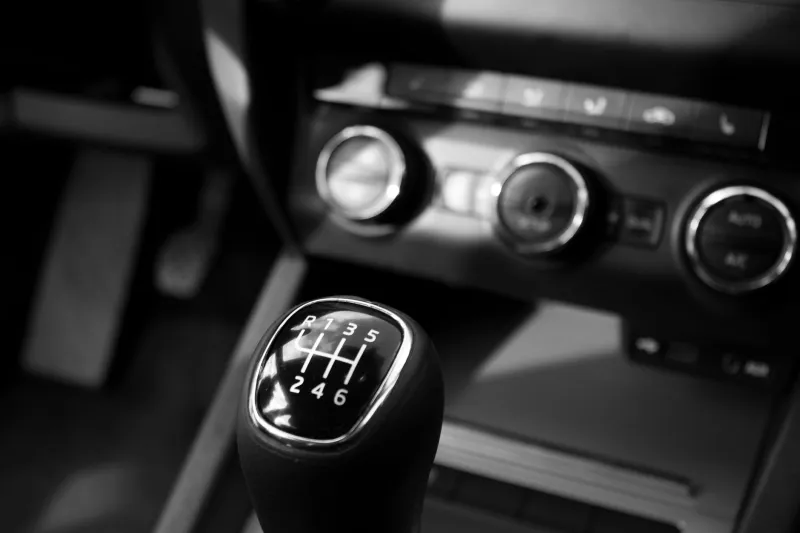
There's a reason the three-pedal setup still commands a cult following. Rowing your own gears through a mountain canyon or nailing a perfect heel-toe downshift into a corner is a visceral experience that no algorithm can replicate. The manual keeps you in the conversation with the car in a way that feels almost analog in the best possible sense.
But let's be honest about the trade-offs. In 2024, the manual is losing ground fast—and not just because fewer people know how to drive one. Modern performance manuals, like those in the Porsche 911 GT3 Touring or the Toyota GR86, are genuinely excellent. Clutch feel is better than ever, throws are shorter, and rev-matching software has made heel-toe optional for the uninitiated.
Where manuals struggle is at the strip and the clock. A skilled driver in a manual Mustang GT500 will get smoked by the same car with the automatic, every single time. The human element—clutch slip, reaction time, shift hesitation—costs you fractions of a second that add up over a quarter mile. On track, the gap closes considerably since outright acceleration matters less than corner-exit control and consistency, but the stopwatch still rarely favors the stick shift.
Resale-wise, manual cars are a mixed bag. Rare manual performance cars—think a Civic Type R or a BRZ—hold value exceptionally well because the enthusiast market hunts them down. But a manual version of a car that's primarily sold with an automatic? You might actually struggle to find a buyer outside of a niche audience.
DCT: The Speed Freak's Best Friend
Dual-clutch transmissions are basically what happens when engineers decide that the only thing standing between you and perfection is the human hand. A DCT pre-selects the next gear while the current one is still engaged, meaning shifts happen in milliseconds—faster than your brain can register the change.
The performance credentials are undeniable. The Porsche PDK, Ferrari's F8 DCT, and Ford's Tremec-sourced unit in the GT500 all deliver launch-control starts and upshifts that are genuinely staggering. On a road course, a DCT lets you focus on your line and braking points rather than managing clutch feel under pressure. It's a legitimate performance tool, not a lazy driver's crutch.
But DCTs come with asterisks. Low-speed, stop-and-go driving can feel jerky and unrefined on some setups—a common complaint with older Volkswagen DSG units and some Ferrari applications. Heat management is also a real concern during extended track sessions; push a DCT hard enough without adequate cooling and it'll protect itself by limiting performance. And when DCTs fail, they don't fail cheaply. Replacement or rebuild costs can run well into five figures depending on the application.
On the resale front, DCTs in desirable cars tend to hold value extremely well, largely because the performance credentials attract serious buyers who know what they're getting.
Traditional Automatic: The Dark Horse Nobody Talks About
The torque-converter automatic has had one of the biggest glow-ups in automotive history. Ten years ago, recommending an automatic in a performance car felt like suggesting someone wear flip-flops to a track day. Today? The ZF 8-speed unit found in everything from the BMW M3 to the Dodge Challenger Hellcat is a legitimate performance weapon.
Modern torque-converter autos are fast—not DCT fast in raw shift speed, but close enough that most drivers will never notice the difference on the street. What they do offer is smoothness, durability, and a remarkably wide operating range. They handle heat better than DCTs, they're kinder in traffic, and they tend to be more forgiving when pushed hard on track for extended periods.
Drag racing has been the traditional automatic's home turf for decades, and that heritage shows up in modern applications. The Challenger Hellcat's automatic consistently outperforms the manual variant at the strip, and the same story plays out across the Charger lineup. If straight-line performance is your primary metric, the traditional auto deserves serious respect.
Reliability is where the torque-converter automatic really shines. These units are proven, parts are widely available, and independent shops can service them without specialized tooling. Long-term ownership costs are generally lower than DCTs, which matters if you're keeping a car for more than five years.
So Which One Actually Wins?
Here's the uncomfortable truth: there's no universal winner, but there are clear answers depending on what you actually do with your car.
If you track seriously and want every tenth of a second: DCT is your weapon. The shift speed and consistency under pressure make it the choice for lap-time hunters.
If you want the most engaging, connected driving experience: Manual, full stop. No transmission makes you feel more like a driver and less like a passenger.
If you want a performance car that also functions as a real daily driver with long-term reliability: The traditional automatic, particularly the ZF 8-speed, is remarkably hard to argue against. It does everything well without the quirks of a DCT or the fatigue of a manual in traffic.
If resale value is your primary concern: Buy whatever the market demands. Manual Civics and BRZs hold value because enthusiasts chase them. Automatics in luxury performance cars often make more financial sense because the buyer pool is larger.
The transmission wars aren't going away anytime soon—and honestly, that's a good thing. The debate keeps manufacturers honest and keeps gearheads passionate. Whatever's behind your shifter, the best transmission is ultimately the one that makes you want to go find another road.
And then find another one after that.