Beyond the Entry Fee: The Real Price of Playing Fast at the Track
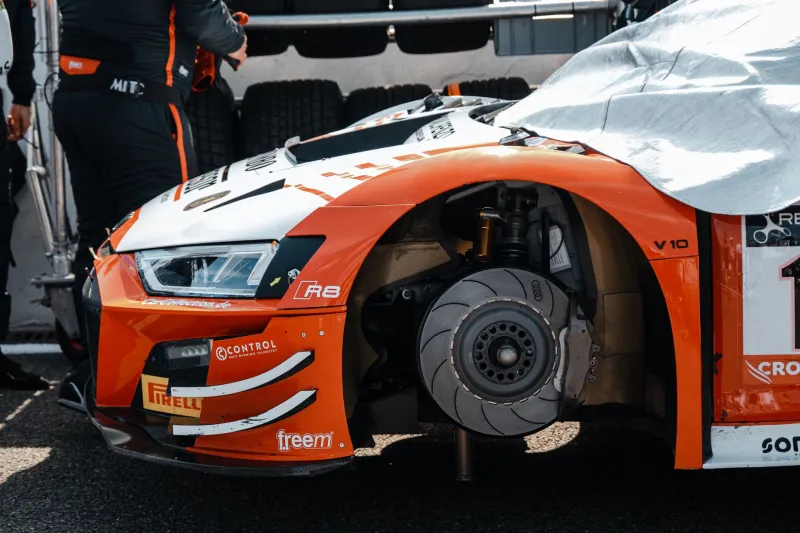
Let's be honest. The moment you sign up for your first track day, you tell yourself it's just a one-time thing. A couple hundred bucks for a Saturday of controlled chaos on a real circuit. Totally reasonable. Totally manageable.
Then you get home, look at your tires, and realize you've got the financial discipline of someone who just discovered a casino.
Track driving is one of the most viscerally rewarding things you can do with a performance car. It's also one of the most quietly expensive hobbies in the automotive world. Not because the entry fees are outrageous — most HPDE events and time attack sessions run anywhere from $150 to $500 depending on the organizer and the track — but because of everything that happens to your machine once the flag drops. If you're serious about lapping, you need to budget for the full picture, not just the gate price.
Rubber Reality: Tire Wear Is the Biggest Gut Punch
Nothing exposes the true cost of track driving faster than a fresh set of tires turned into oval hockey pucks after two sessions. Depending on your car, your driving style, and the compound you're running, a single track day can consume 20 to 50 percent of a tire's usable life. Run a sticky performance tire like a Michelin Pilot Sport Cup 2 or a Bridgestone Potenza RE-71RS and you're looking at a set that might last three to five events under hard use.
A quality set of 200 treadwear tires for a mid-size performance car will run you $800 to $1,400 mounted and balanced. If you're attending six events a year and burning through two sets, that's potentially $2,800 just in rubber — before you've touched anything else. Dedicated track tires on separate wheels are the move for regulars, but even that initial investment in a second wheel set can run $1,000 to $2,500 depending on your platform.
Brake Fluid: The $20 Problem That Becomes a $2,000 Problem
This one catches beginners off guard every time. Your factory brake fluid is rated for street use, where temperatures stay relatively modest. On track, you're riding those brakes hard, repeatedly, and the fluid absorbs heat fast. Once it boils, you've got vapor in the lines and a pedal that goes straight to the floor — which is a terrifying situation at 100 mph into a hairpin.
A full brake fluid flush with a high-temp racing fluid like Motul RBF 660 or Castrol SRF costs maybe $20 to $50 in fluid and an hour of your time (or a shop visit). The catch? You should be doing it before every event. That's not a huge line item on its own, but it's a recurring one that most people forget to account for.
While you're in there, factor in pads and rotors. Track-specific brake pads like the Hawk DTC series or EBC Yellows run $150 to $350 per axle. Rotors, especially if you're warping them from thermal stress, can add another $200 to $800 depending on whether you're going slotted or cross-drilled. Budget for at least one pad replacement per season minimum — more if you're running aggressive events.
Suspension, Alignment, and the Cumulative Beating Your Chassis Takes
Every curb clip, every aggressive load transfer, every aggressive chicane exit taxes your suspension geometry. Alignment shifts happen. Bushings wear faster under track stress. If you're running adjustable coilovers, you may need to re-corner-weight the car after enough sessions. A proper alignment at a performance shop runs $100 to $200. Corner balancing adds another $200 to $400 on top of that.
Beyond alignment, watch for worn end links, degraded sway bar bushings, and ball joints that are taking punishment they weren't designed for. If you're not inspecting the suspension thoroughly after each event, small issues become expensive ones. Suspension refresh costs vary wildly by platform, but a conservative annual budget of $500 to $1,500 for a car being tracked regularly isn't unrealistic.
Fueling the Habit: Gas and Oil at Race Pace
Your car drinks differently on track than it does on the highway. Sustained high RPM operation and wide-open throttle pulls spike fuel consumption dramatically. A car that gets 25 MPG on the street might get 8 to 12 MPG on a circuit. Factor in a 20-gallon tank, multiple fill-ups over a full track day, and premium fuel prices hovering around $4 to $5 per gallon in most US markets, and you're easily spending $80 to $150 in fuel per event.
Oil is another overlooked cost. Hard use accelerates oxidation and thermal breakdown, and most experienced track drivers do an oil change after every one to two events rather than following standard mileage intervals. That's an extra $80 to $150 per service depending on your oil spec and whether you're doing it yourself.
The Trailer Situation: Getting There Isn't Free Either
If you're driving your track car to the venue, you're adding street miles and the risk of a breakdown stranding you far from home. Many serious enthusiasts trailer their cars, which opens an entirely new cost category. A decent enclosed trailer runs $5,000 to $15,000 used. Tow vehicle costs, fuel for the tow rig, trailer registration, tire maintenance, and bearing repacks add up over a season. Even renting a trailer adds $150 to $300 per event.
Building a Realistic Track Budget
So what does a full season actually cost? Here's a rough annual breakdown for someone attending eight track days on a mid-level performance car:
- Entry fees: $1,200 – $3,000
- Tires: $1,500 – $3,000
- Brakes (pads, fluid, rotor wear): $600 – $1,500
- Suspension/alignment: $400 – $1,200
- Fuel and oil: $800 – $1,500
- Trailer/transport: $500 – $2,000
- Miscellaneous (safety gear, consumables, unexpected repairs): $300 – $1,000
Total: $5,300 – $13,200 per year — and that's without a major mechanical incident.
How Smart Enthusiasts Keep the Costs in Check
The good news is that experienced track rats have figured out how to manage the burn rate without cutting corners on safety. Here's what actually works:
Buy dedicated track wheels and tires. Keeping your street setup intact and running a second set of track-specific rubber saves your daily driver tires and lets you optimize compound choice independently.
Join a club. Organizations like NASA (National Auto Sport Association) and the SCCA offer member pricing on events and access to community resources like group tire buys and shared knowledge on cost-effective prep.
Learn to wrench. Doing your own brake flushes, oil changes, and alignment checks cuts shop labor out of the equation. The learning curve pays dividends fast.
Go to smaller regional events. Not every track day needs to be at Road Atlanta or Laguna Seca. Regional airfields and smaller circuits often run events for $150 to $200 with the same quality of instruction and driving time.
Set a hard annual budget before the season starts. Decide what you're willing to spend and treat the car accordingly. Knowing your ceiling helps you make smarter decisions about which upgrades are worth it and which events to skip.
The track is where performance cars earn their keep. It's also where they earn their repair bills. Go in with clear eyes, a realistic budget, and a solid maintenance plan, and the cost of admission becomes just another part of the experience — a completely worthwhile one.